My longest workday was 43 hours.
I’m not talking about a bad week that averaged out to something ugly - I am talking about an actual 43 consecutive hours, with no sleep and no break other than one single 17-minute Starbucks run sometime around the thirty-first hour, at the tail end of a Bain case in 2015. What I remember is not the work. It's the quality of the neon light in the office at four in the morning on the second night, and the way my hands had started to feel like they belonged to somebody else… and the discovery that I could no longer hold a full sentence in my head from beginning to end.
The case went well. The client was thrilled. The partner was thrilled. I delivered the final presentation, then handed in my resignation.
I quit six months before my thirtieth birthday, moved into a van, and didn't go back.
So what went wrong?
Nothing.
That's the part that took me most of a decade to work out, and it's why I now spend as much time talking to teams about performance as I do chasing it.
Here's something that nobody tells you about burning out at the top of your game: the warning was never going to come from your output. My output always was and stayed excellent. It was excellent the whole way down. The signal that I missed was that I had started cutting my own team off mid-sentence - not because I was angry with them, but because I had optimized so hard that another human being finishing a thought had become an inefficiency. That was visible to everyone around me, but it wasn’t visible to me. Actually, scrap that: it was visible to me, I just didn’t allow myself to register how acute of a warning signal it was. I thought I was just doing what it takes to get the job done.
What I know now but didn’t understand back then: I had been treating exceptional performance as an input. I thought exceptional performance was the thing you supply, something you pour in out of grit or hours or willingness to suffer, and top up when the tank runs low.
But that’s not how exceptional performance works. Exceptional performance is not what you put in - it’s the output.
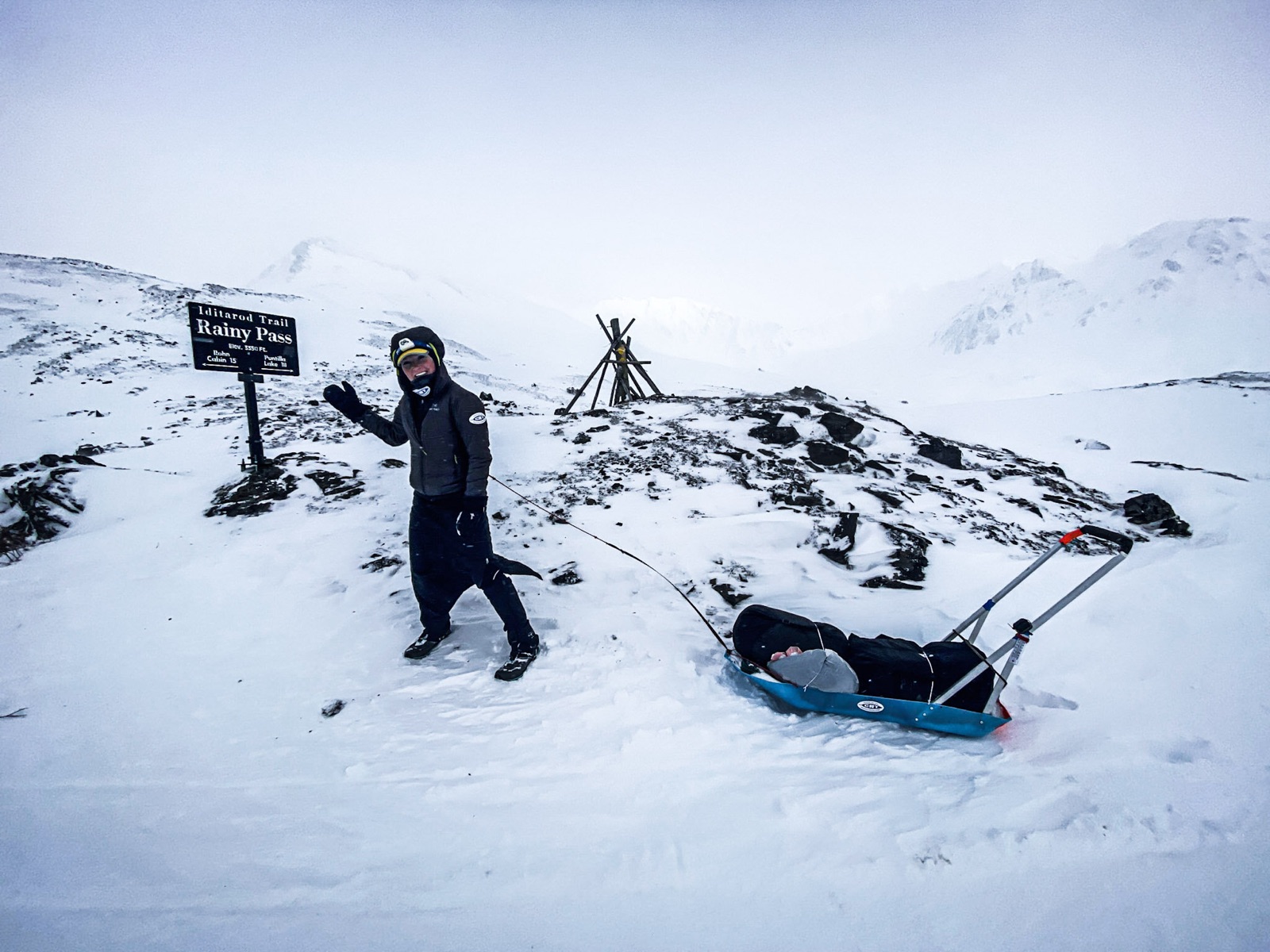
Since that crazy case at Bain I've spent a decade collecting evidence for that claim in a setting where the feedback loop is faster and considerably less forgiving than a client engagement. I was the first woman to finish the 1,000-mile Iditarod Trail Invitational on skis; I've set speed records on three continents; I co-own a guiding company in southern Utah whose season does not care how I feel in any given month. The mountains are a good laboratory for the question of how to sustain exceptional performance because they refuse to negotiate. You cannot charm a storm, and in a lot of cases you cannot easily self-eject at 6,000 meters in the Andes or at mile 600 on the Iditarod Trail.
What I've found is that people who perform exceptionally and repeatably - the ones who are still going in their fifties & sixties, who are still curious, and still good at what they do - are not doing a harder version of what everyone else does. They're just running a different process. Five parts of that process show up again and again, in the field and in the office, and they're trivial enough that many people miss them altogether because they skip straight past them looking for something sharper.
1. A growth-oriented mindset
Carol Dweck’s work on the difference between growth and fixed mindsets is widely known these days, and yet I find that it’s frequently under-appreciated or under-practiced. A growth mindset does not mean confidence in the outcome. It's confidence in the process, and in your own ability to learn and improve - which are different things, and only the second one survives contact with a bad day.

Confidence in the outcome is brittle: it has to be re-earned every time the result goes against you - and the results will go against you, because that is what makes them results and not plans. Confidence in the process on the other hand is durable: you can have a terrible day and still trust the machinery that is helping you get through it.
The companion to a growth-oriented mindset is embracing a beginner's mind, which is harder for accomplished people than it sounds. It is curiosity, creativity, and openness to an idea that makes your existing approach look dumb. The cost of expertise is that you stop asking questions you think you already know the answer to. (I have paid that bill more than once, often in extremely cold and extremely remote places.)
2. Robust self-knowledge
This part is the one that carries the other four, and it's the one people want to skip because it doesn't feel like there’s much to do around it - but that’s a misconception.
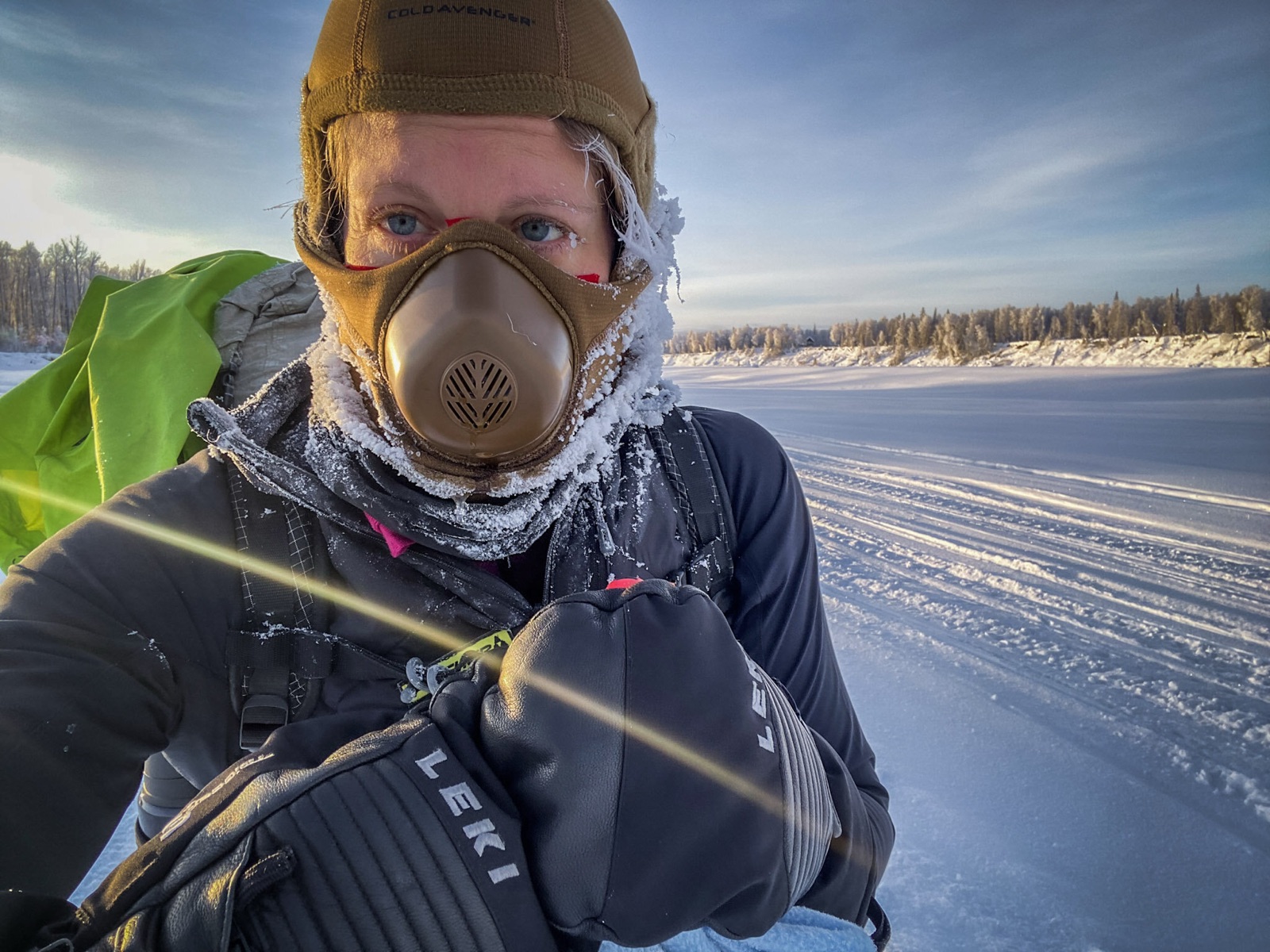
Acute, highly reflected self-knowledge is a non-negotiable input to a strength-based strategy, to intentional pacing, to teaming, and to calibration (all of which we’ll get to in a bit). Every downstream decision depends on knowing - accurately, unsentimentally - what you're actually good at, what has a history of breaking you, and what your particular flavor of trouble looks like from the inside.
Here's the catch, and it's the same catch that got me in 2015 when I burned out at Bain: you cannot self-monitor the faculty that gets impaired. The thing that goes first is the thing you'd need in order to notice that anything had gone wrong. Which means self-knowledge isn't a solo project. It's knowing your own tells well enough to name them out loud to somebody else, and then giving that person an explicit job: to say something when they notice you slipping. This has to be an explicit conversation - you can’t hope for someone to say something, you have to ask them to and tell them it’s their job.
My tell-tale sign is that I start cutting people off and turn into an unpleasant know-it-all. My husband Paul can spot it weeks before I do.
3. A strength-based strategy — and a pace you can hold
There are two pieces to this. The first is well-evidenced and widely ignored: strategies built on investing in strengths tend to outperform strategies built on closing gaps (Clifton and Harter have the numbers on this, going back to 2003). Most of us do the opposite, because our gaps are often more visible than our strengths and because a gap feels like an emergency.
The second piece is pacing, and I have a favorite piece of evidence for it.
In 2019 I ran the 100km TransQilian Mountain course in China and broke the existing men's race record by almost four and a half hours. I did it by going out slower than the leaders in the men’s field would. Not slightly slower - conspicuously slower, in a way that felt wrong for the first two hours, and in a way that had my pacers running circles around me on the first 25 kilometers. The tortoise and the hare, in real life, with a finish line and a clock.
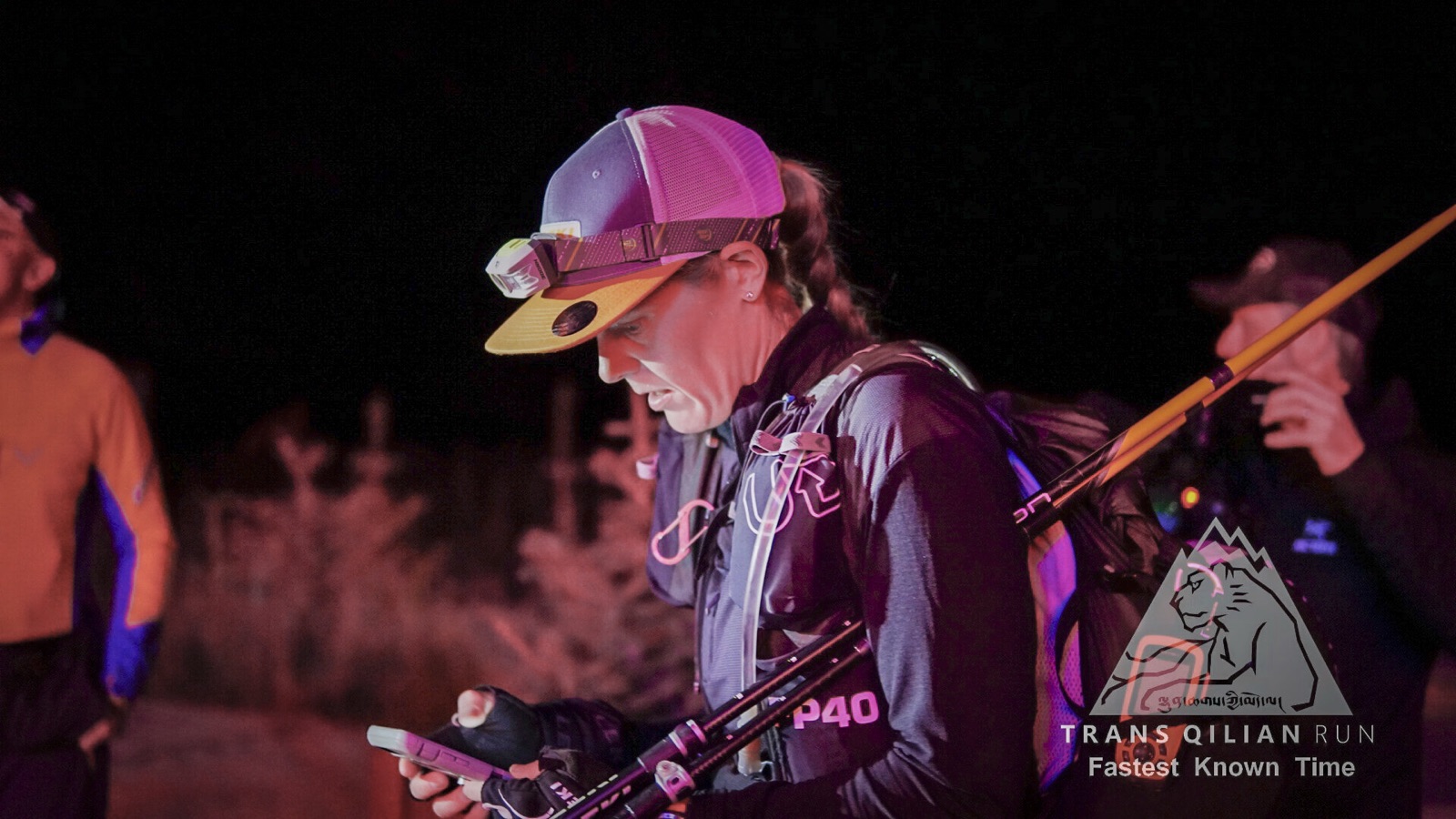
Faster does not always equal better. The whole art is finding a pace you can hold - your forever pace - and then having the discipline to hold it while other people go past you.
The consulting version of this is less romantic and completely identical. I've watched a client company's profitability decline because of utilization increases that looked, on the spreadsheet, exactly like progress. Every quarter the utilization number went up, and every quarter the underlying profitability got worse. Nobody was doing anything wrong - but everybody was going out too fast, which produced overtime, rework, quality issues, and increases in client and staff turnover… all of which were destroying the company’s bottom line.
4. Intentional teaming
The obvious formula for high-performance teams is high-performing individuals plus shared goals. But that obvious formula is wrong, or at least badly incomplete, and I have run the experiment both ways by being part of two very different teams in the Iditarod Trail Invitational.
Team A: Two very experienced ultra-endurance athletes with a genuinely shared objective, yet not a high-performance team. We weren’t even close (read the full story here). We had all the raw material, yet none of the result.
Team B: A team consisting of one 63-year-old with no prior ultra-endurance experience and one complete rookie on a bike: from afar, one might think this would be a recipe for disaster… yet we easily merged into a high-performance team coming out stronger than the sum of its parts, by a wide margin.
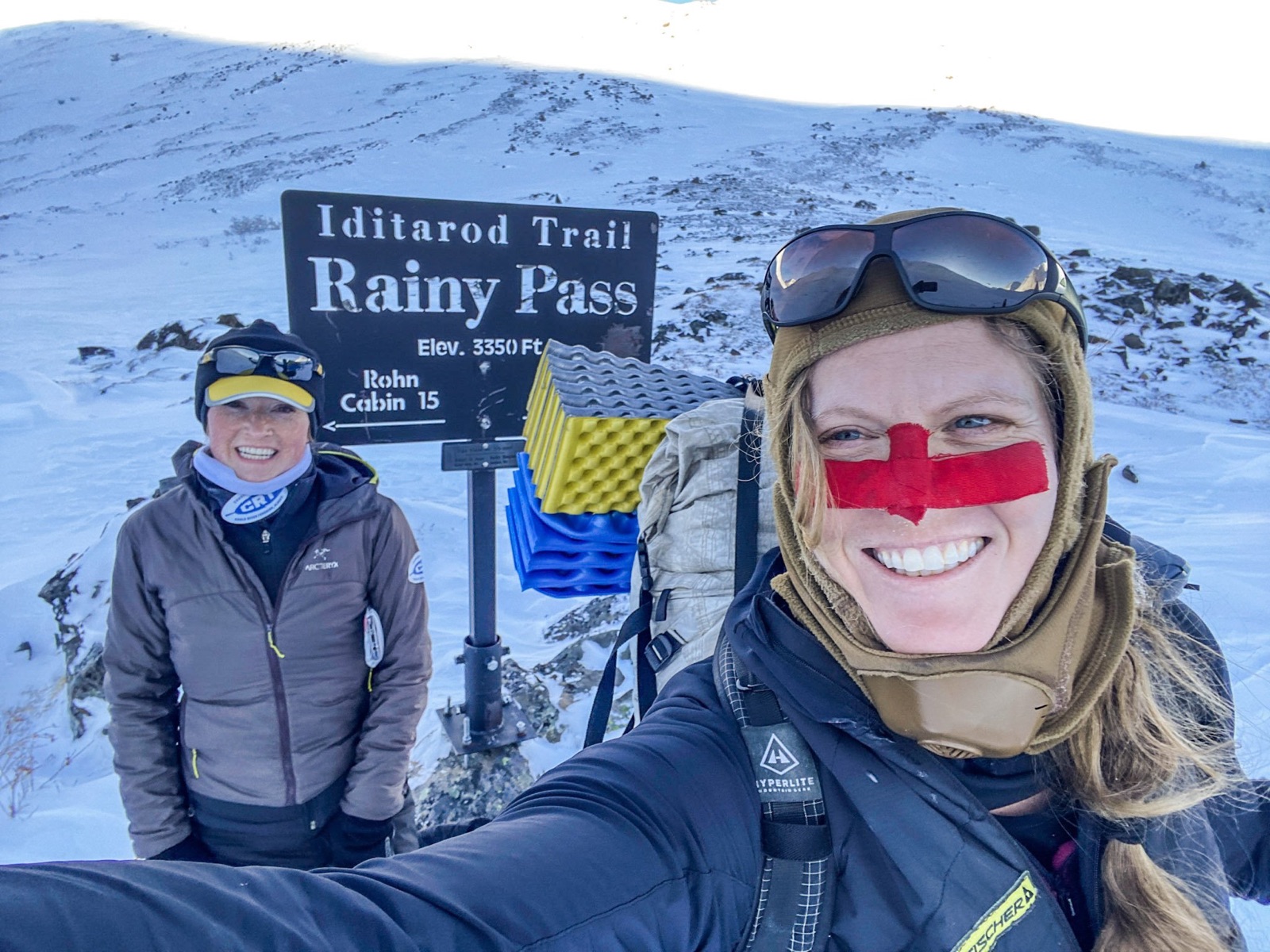
What separated these two team setups wasn't talent, and it wasn't commitment. It was two things that sound like soft skills right up until the moment they're load-bearing. The first is strategic role design - deciding, in advance and out loud, who does what and why, rather than assuming that capable people will sort it out. The second is courageous communication, which is the willingness to say the uncomfortable thing early, while it's still cheap, instead of at hour thirty when it costs everything.
The first team setup had both of us assuming how things would work. The second team setup had no foundation for being able to assume anything, so we had to actually talk.
5. Continuous performance calibration
This is a lesson that I’ve had to learn over and over again - while skiing 1,000 miles on the Iditarod Trail, while climbing Yosemite’s El Capitan, and while pursuing an 800 mile unsupported speed record on the Arizona Trail: mind the small things. Monitor continuously and course-correct early. Micro-adjustments that can improve performance on a repetitive task a fraction of a percentage point add up over time.
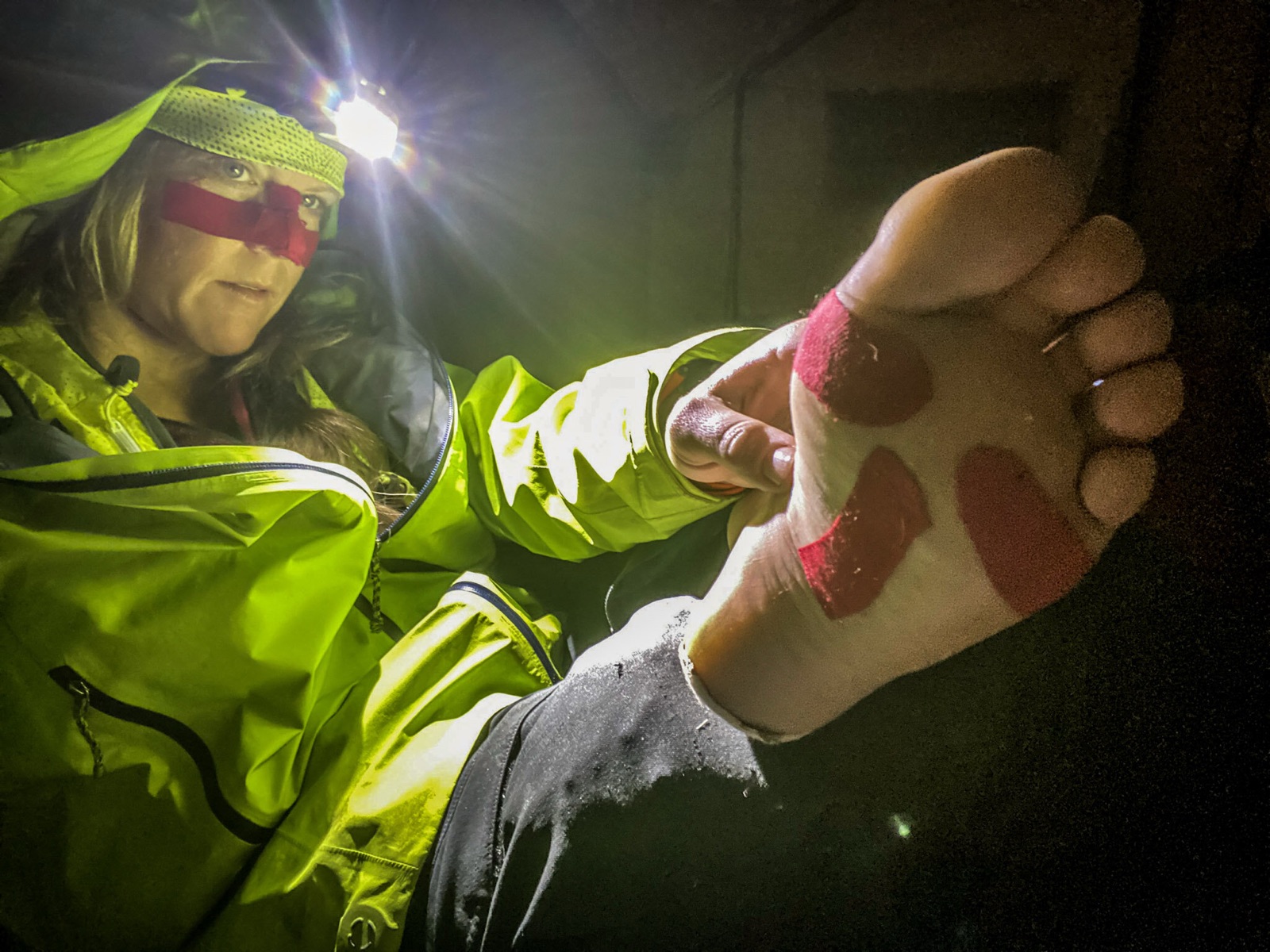
In endurance this is unglamorous and constant: the hot spot you deal with at mile 8 instead of the open wound you're managing at mile 40, the calories you take on before you're hungry because after you're hungry it's already too late to catch up. You do not get to make up a deficit later. There is no later.
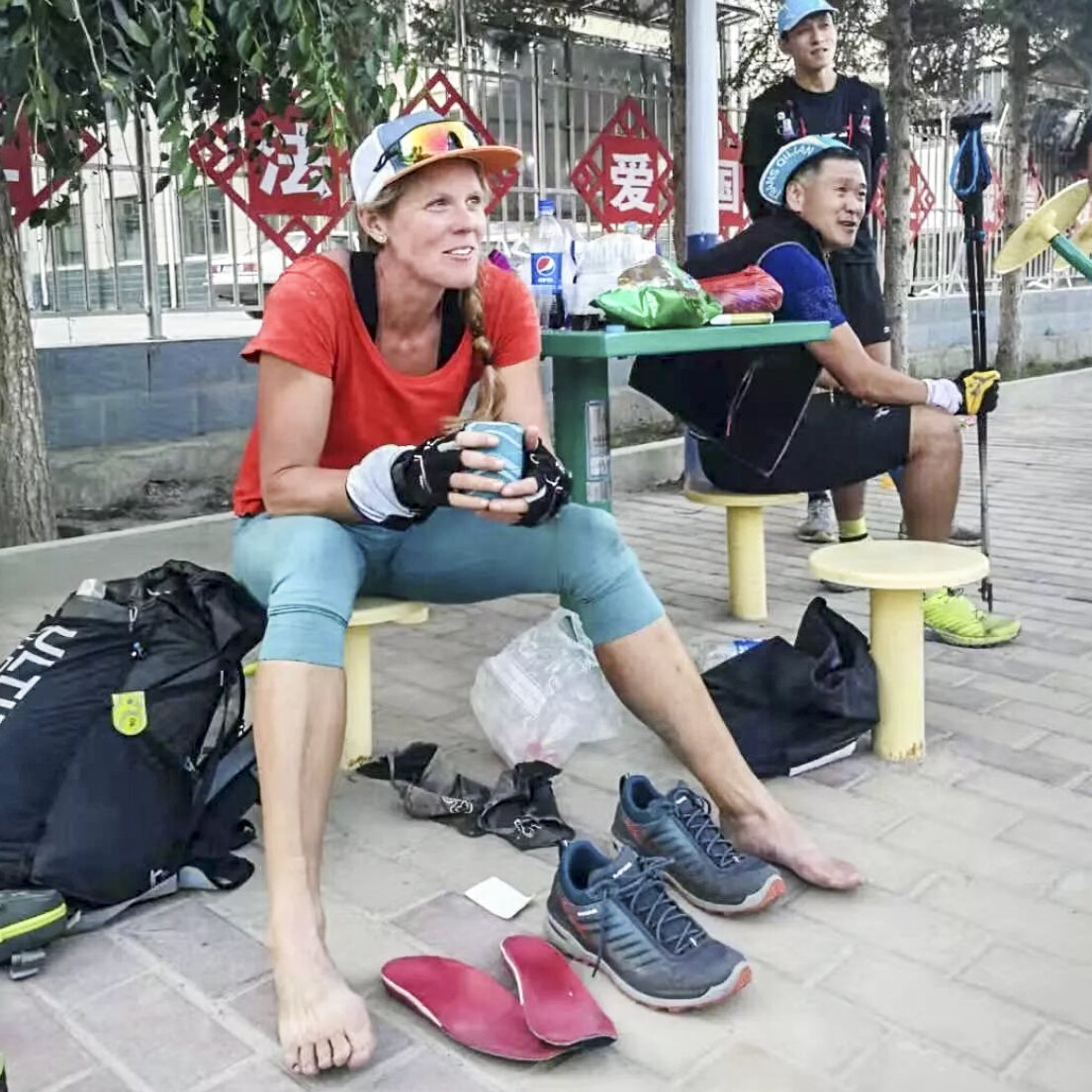
Of course performance misses happen. The discipline isn't avoiding them, it's noticing them while they're still small, and treating each one as information instead of as a verdict on your character. Most people do the reverse - they miss the small signals entirely, and then over-read the big one when it finally arrives.
So: these are the five elements that drive sustainable exceptional performance. None of them are a secret; most of them are boring enough to make them unfashionable or unattended to.
The reason I keep coming back to them is the reframe underneath.
Exceptional performance can become a sustainable, repeatable way of engaging with the world - but only if you focus on the how rather than the what. Performance is a consequence of process. It is what comes out the far end, not the fuel you pour in the top.
And that is precisely the useful part, honestly, because process is something you can build. Grit is not: you can't simply decide to have more of it on a Tuesday. But you CAN invest in improving your processes.
By the way - here's my proof that the proclivity towards burning out travels and is an internal challenge as much as (if not more so than!) external circumstances. When I burned out at Bain, I ran the most extreme version of leaving that was available to me: I quit the firm, gave up the apartment, moved into a van, went to the mountains, and eventually built companies where there is nobody who can assign me anything at all. Now, there is no manager, no utilization target, no billable hours and no senior partner to impress. If burnout were environmental, that should have been a cure.
It was not.
I'd like to tell you I run all five elements of sustainable exceptional performance cleanly now. The truth is: I don't. I still stack commitments on top of peak season and pay for it, and the tell hasn't changed since 2015: I cut folks off, I get rushed and hurried, and at the worst of it I turn into an intolerable know-it-all.
What changed is the interval. In 2015 that signal ran for months before anyone got through to me, and I had to pull the emergency brake to get out of the hole that I was in. Now, the signal runs for a few days or at best weeks - because I know what to look for, as do my teams and family.
That is what the five elements of sustainable exceptional performance actually buy you: they compress the distance between the signal of impending burnout and the seeing of the track you’re on. The task is not to become someone who doesn’t have a tell - it's becoming someone who finds their tell faster than it can do real damage.
The 43 hours at Bain were not the mistake. The mistake was the six months before them, when everything still looked fine.